Table of Contents
- – Understanding the Trauma-Eating Condition Link
- – Cynthia SMB
- – Brainspotting: Accessing Injury Through Visual...
- – Accelerated Resolution Therapy: Rapid Trauma P...
- – Specialized Injury Therapy for Narcissistic Mi...
- – Integrating Stress And Anxiety Treatment with ...
- – Finding Specialized Treatment: What to Search for
- – The Path Ahead: Integrated Healing
Binge eating disorder treatment
When standard talk therapy fails to attend to the deep-rooted injury underlying eating disorders, specialized restorative approaches can use breakthrough recovery. For people having problem with binge eating problem, stress and anxiety, or the aftermath of conceited misuse, cutting-edge trauma-focused therapies are reshaping healing results in profound means.
Understanding the Trauma-Eating Condition Link
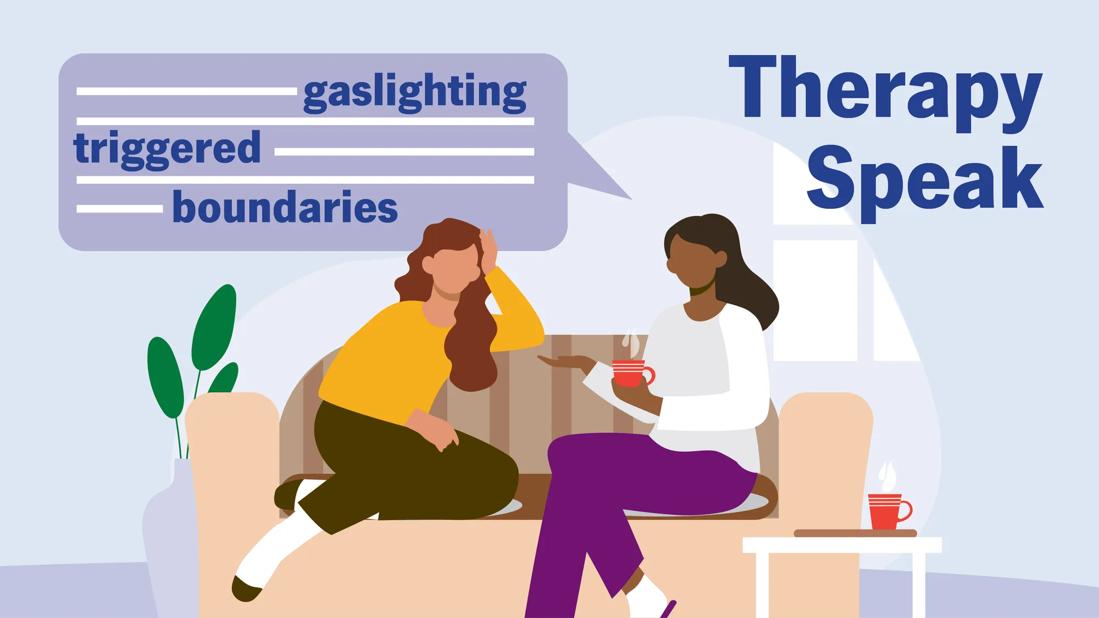
The connection between stressful experiences and disordered eating patterns runs much deeper than several realize. Research study constantly demonstrates that individuals with binge eating disorder often have backgrounds of complicated injury, including emotional abuse, narcissistic partnerships, and persistent anxiety. The mind's response to unprocessed injury typically shows up with attempts to regulate overwhelming emotions through food-- producing cycles that typical nutritional approaches alone can not break.
Cynthia SMB
Trauma doesn't merely stay in our memories. It ends up being inscribed in the body and nerves, triggering automatic reactions that drive uncontrollable habits. This neurological fact describes why self-control and meal plans regularly fall short without resolving the underlying trauma style. Efficient therapy calls for techniques that accessibility and recycle these deeply stored traumatic experiences at their neurological source.
Brainspotting: Accessing Injury Through Visual Processing
Brainspotting represents among the most innovative advances in injury treatment over the previous 20 years. This technique identifies that where we look influences how we feel-- and specialists trained in brainspotting use this sensation to assist clients access and procedure traumatic memories kept in subcortical mind regions.
Throughout brainspotting sessions, therapists help clients recognize particular eye placements that correlate with traumatic activation in the body. By maintaining concentrated attention on these "" brainspots"" while refining tough memories or experiences, customers can launch trauma that verbal therapy can not reach. For individuals with binge eating problem, this method confirms specifically beneficial due to the fact that consuming disorders usually develop as coping mechanisms for traumas that precede language or aware memory.
The somatic emphasis of brainspotting makes it specifically effective for injury survivors whose bodies have actually found out to utilize food for psychological policy. Instead of intellectually understanding injury, clients experience direct resolution of the nerve system dysregulation that drives uncontrollable eating patterns.
Accelerated Resolution Therapy: Rapid Trauma Processing
Accelerated Resolution Treatment (ART) uses another powerful tool for injury survivors, specifically those worn down by years of handling without progression. This evidence-based approach combines elements of eye motion treatment with voluntary image replacement techniques to help clients deal with traumatic memories in incredibly couple of sessions-- usually between one and 5.
What distinguishes ART from other trauma therapies is its focus on transforming just how distressing memories are saved without needing customers to vocally state agonizing information. For survivors of egotistical misuse that might feel pity or self-blame around their experiences, this aspect of ART therapy supplies essential psychological safety and security. Customers can heal without re-traumatization with detailed storytelling.

The treatment works by utilizing bilateral eye activities to assist in the mind's all-natural processing mechanisms while the client concentrates on stressful photos or feelings. Through led visualization strategies, customers then replace terrible images with more adaptive photos, properly reprogramming how memories are saved and accessed. This method has shown particular assurance for people whose eating problems developed as feedbacks to relationship trauma or psychological misuse.
Specialized Injury Therapy for Narcissistic Misuse Recuperation
Egotistical abuse produces a special form of facility injury that typical therapy strategies often battle to deal with successfully. The gaslighting, manipulation, and systematic disintegration of self-regard fundamental in conceited partnerships require customized healing understanding. Lots of survivors establish eating conditions as they attempt to gain back control in partnerships where their truth has actually been regularly denied or misshaped.
Trauma-informed therapists who specialize in egotistical misuse healing understand that recovery calls for greater than handling certain events. Survivors need aid reconstructing their sense of truth, reconnecting with their instinct, and developing healthy and balanced limits-- all while attending to the physical injury reactions that may manifest as disordered eating, chronic anxiety, or hypervigilance.
Reliable therapy for conceited abuse survivors incorporates psychoeducation regarding adjustment tactics with somatic methods that assist customers reconnect with their body's wisdom. This combination shows essential because egotistical abuse specifically targets sufferers' count on their own assumptions and feelings-- the very resources needed for user-friendly consuming and emotional policy.
Integrating Stress And Anxiety Treatment with Eating Disorder Therapy
Anxiety and consuming conditions exist in a bidirectional partnership, each intensifying the various other in self-reinforcing cycles. Binge consuming episodes commonly adhere to periods of intense anxiousness, as food provides momentary alleviation from overwhelming nerves activation. The after-effects of bingeing normally sets off more anxiety, shame, and physiological tension-- perpetuating the cycle.
Comprehensive anxiousness therapy within trauma therapy addresses these interconnected patterns at numerous levels. Cognitive approaches aid clients recognize and challenge anxiety-driven idea patterns, while somatic strategies show nerves policy skills that lower the requirement for food-based coping. Exposure-based interventions progressively enhance clients' ability to tolerate uncomfortable feelings without turning to binge eating.
One of the most effective anxiety therapy for consuming disorder healing identifies that trying to get rid of stress and anxiety totally is both impossible and counterproductive. Rather, therapy concentrates on establishing a much healthier partnership with anxiousness-- discovering to experience it as information instead of emergency, and structure self-confidence in one's capacity to ride psychological waves without numbing via food.
Finding Specialized Treatment: What to Search for
Selecting a specialist or treatment facility for trauma and eating disorder recuperation calls for cautious consideration. The most reliable carriers use numerous vital components:
- Trauma-informed treatment that acknowledges eating disorders as adaptive responses to frustrating experiences as opposed to simple behavior troubles
- Specialized training in evidence-based injury processing methods like brainspotting or ART treatment
- Recognizing of complicated injury discussions consisting of egotistical abuse and developmental injury
- Assimilation of nerve system law strategies along with cognitive and behavior approaches
- Recognition that healing happens in partnership, calling for therapeutic attunement and security
- Adaptability to adapt therapy speed and methods to private nerve system ability
Carriers like Ebb and Flow Therapy in Seattle exhibit this comprehensive approach, providing specialized injury treatment that resolves the intricate connections between past experiences, existing eating patterns, and total emotional wellness. Their concentrate on evidence-based modalities integrated with deep understanding of injury's physiological effects develops conditions for authentic change rather than sign management alone.
Binge eating disorder treatmentThe Path Ahead: Integrated Healing
Recuperation from trauma-related eating conditions calls for persistence, specialized assistance, and comes close to that honor the profound methods trauma forms both body and mind. While the trip needs nerve and dedication, the integration of ingenious trauma therapies offers expect recovery that addresses source instead of surface area actions.
For people ready to move past the restrictions of traditional methods, looking for specialists trained in brainspotting, ART therapy, and narcissistic misuse recuperation can open brand-new pathways to liberty from both traumatic pasts and disordered consuming patterns. The brain's impressive capability for recovery, when supported by appropriate restorative treatment, makes complete healing not just possible yet progressively likely.

Table of Contents
- – Understanding the Trauma-Eating Condition Link
- – Cynthia SMB
- – Brainspotting: Accessing Injury Through Visual...
- – Accelerated Resolution Therapy: Rapid Trauma P...
- – Specialized Injury Therapy for Narcissistic Mi...
- – Integrating Stress And Anxiety Treatment with ...
- – Finding Specialized Treatment: What to Search for
- – The Path Ahead: Integrated Healing
Latest Posts
Choosing EMDR Therapy
Multilingual Psychotherapy: Breaking Down Language Obstacles in Mental Wellness Treatment
Acknowledging Self-Sacrificing Traits
Navigation
Latest Posts
Choosing EMDR Therapy
Multilingual Psychotherapy: Breaking Down Language Obstacles in Mental Wellness Treatment
Acknowledging Self-Sacrificing Traits